Practical course · online in Zoom · from age 16
Goal Map: planning, resources, action
24 academic hours · online, in a group
Learn to set realistic goals, to assess the resources available to you — time, money, people, information, skills — and to draw up a clear plan of action. With visual materials and practical tasks, and no esotericism. The focus is on a practical result: a 90-day plan and the first steps within 72 hours.
- 6modules · 24 ac. h.
- 90days of action plan · 1 page
- 72hthe first 3 steps
- Format
- Online in Zoomin small groups, up to 10 participants
- Length
- 24 academic hours8 sessions × 3h or 6 × 4h
- For whom
- From age 16young people, adults, parents
- Language
- LV / RU / ENmaterials in Latvian and Russian
- Type
- Practical courseno certificate, no exams
Aims
- Telling a goal from a wish — what I actually want, and what is mine.
- Drawing up a map of your resources: internal (skills, experience) and external (time, people, money, information).
- Seeing the obstacles and the supports — what gets in the way and what helps you keep going.
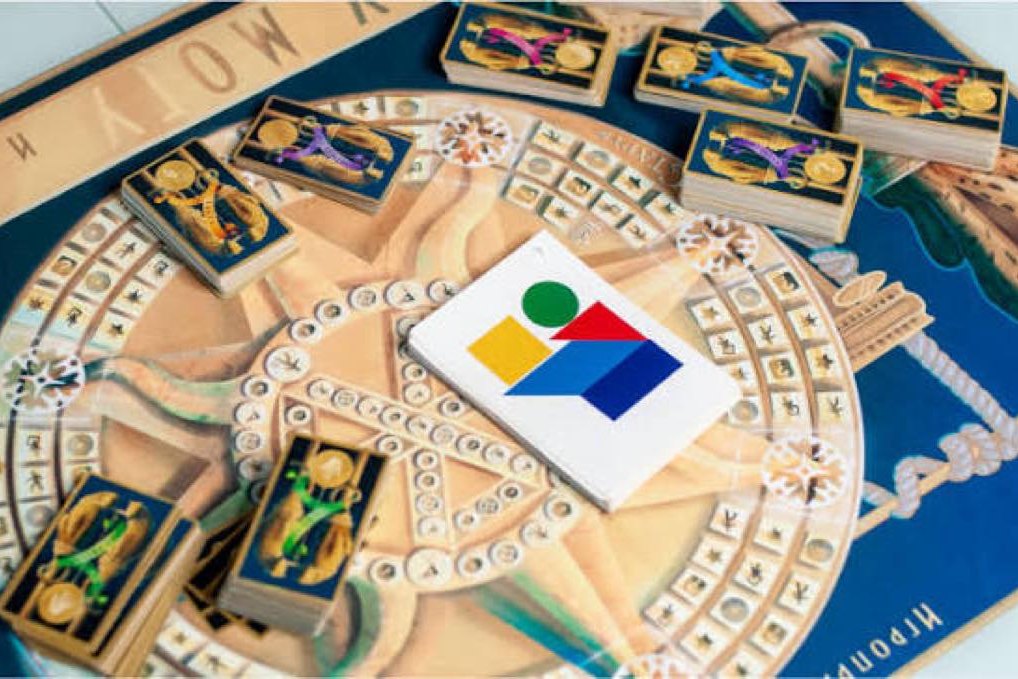
- Making the path visible: a board with routes, and figures as markers.
- Money and time: modelling a budget with play euros, and planning your time.
- SMART and 90 days: from the goal to the first 3 steps within 72h and a 90-day plan.
Outcomes
- SMART goals, values, priorities.
- Types of resource, time-boxing, the basics of financial planning.
- Setting realistic goals.
- Drawing up a map of your resources and modelling a budget.
- Making the path visible using the board.
- Capturing tasks on your phone.
Programme · 6 modules — from the idea to the plan
Six modules, 24 academic hours — 8 sessions × 3h or 6 × 4h, in Zoom. Each module is 20 % theory, 60 % practice with visual materials and 20 % reflection. Open a module to see what you do in it and what you come away with.
01My goals and wishes — what I actually wantTelling a wish from an imposed “I ought to”.4 ac. h.
Telling a wish from an imposed “I ought to”. A map of your values, a scan of your interests. Geometric figures as markers for goals on the board — they help turn an abstract idea into something concrete. Working with examples from everyday life.
3 goals put into words + your top 5 values.
02My resources — what I already haveWhat helps me, and what I can use today.4 ac. h.
Internal resources: skills, experience, strengths. External ones: people, time, information, surroundings. Mapping your resources on the board with cards. What helps me, and what I can use today.
A map of your resources + your 3 main ones.
03Obstacles and supportsWhat gets in the way — and what helps.4 ac. h.
What gets in the way? Putting things off, doubts, not having enough information. What helps? People, habits, surroundings. Working in a group online — supportive communication rather than advice. Stretches of the path with obstacles on the board.
A list of your obstacles and supports.
04The road map — the path from the idea to the resultBeginning — middle — result.4 ac. h.
Making the path visible: beginning — middle — result. The board with its routes and squares as a working model. Breaking a big goal into small steps. Working with your phone or notes — capturing the tasks.
A road map of 5–7 steps.
05Money and time as resourcesFinancial literacy without gambling.4 ac. h.
Financial literacy without games of chance. Play euros as a teaching model for planning a budget: income / spending / allocation. Time as a resource — time-boxing, priorities. We model a monthly budget and a weekly plan.
A budget model + a plan for your time.
06My 90-day action planFrom the road map to a concrete plan.4 ac. h.
The SMART principle for goals. From the road map to a concrete plan. The first 3 steps within 72 hours. A 30-60-90 day plan. A presentation to the group, and feedback.
A 90-day action plan on a single page.
What stays with you after the course: the road map on the board, the budget model, the 90-day plan on a single page and 3 steps within 72 hours. The materials are yours to keep — photographs from the sessions and the worksheets.
Themes of this course
Frequently asked questions about the course
What do I need in order to take part?
Zoom with a camera, a stable internet connection and a notebook or phone for planning. The board, the figures and the resource cards are shown to the camera — you capture your own steps in your notes or on your phone. Taking part in anything is voluntary.
How do the sessions run?
Online in Zoom, in a small group of up to 10 participants. 24 academic hours — 8 sessions × 3h or 6 × 4h. Every session is interactive: a short talk and work with the board shown to the camera, plus group work in breakout rooms. Each module is 20 % theory, 60 % practice and 20 % reflection.
Is a certificate issued?
No, no certificate is issued. This is a practical course without a formal document, focused on a practical plan rather than on formal education. Assessment is formative: feedback, self-assessment, group reflection. There are no exams.
What this course is not
No esotericism, no diagnoses, no advice about the “right” way to live. A safe setting for people 16+: practical tasks, empathetic communication, voluntary participation. In the group there is supportive communication rather than advice.
The sessions use play euros — is that gambling?
No. The play euros are purely a teaching aid for modelling a budget: income, spending, allocation. Not gambling, but a way of teaching financial literacy.
In which language, and from what age?
In Latvian, Russian or English; the materials are in Latvian and Russian. Open to participants from age 16 — young people, adults and parents.
From the idea to a 90-day plan.
Six modules from a wish to an action plan on a single page, with a concrete next step within 72 hours. We choose the rhythm of the sessions — 8 × 3h or 6 × 4h — at the introductory conversation.